
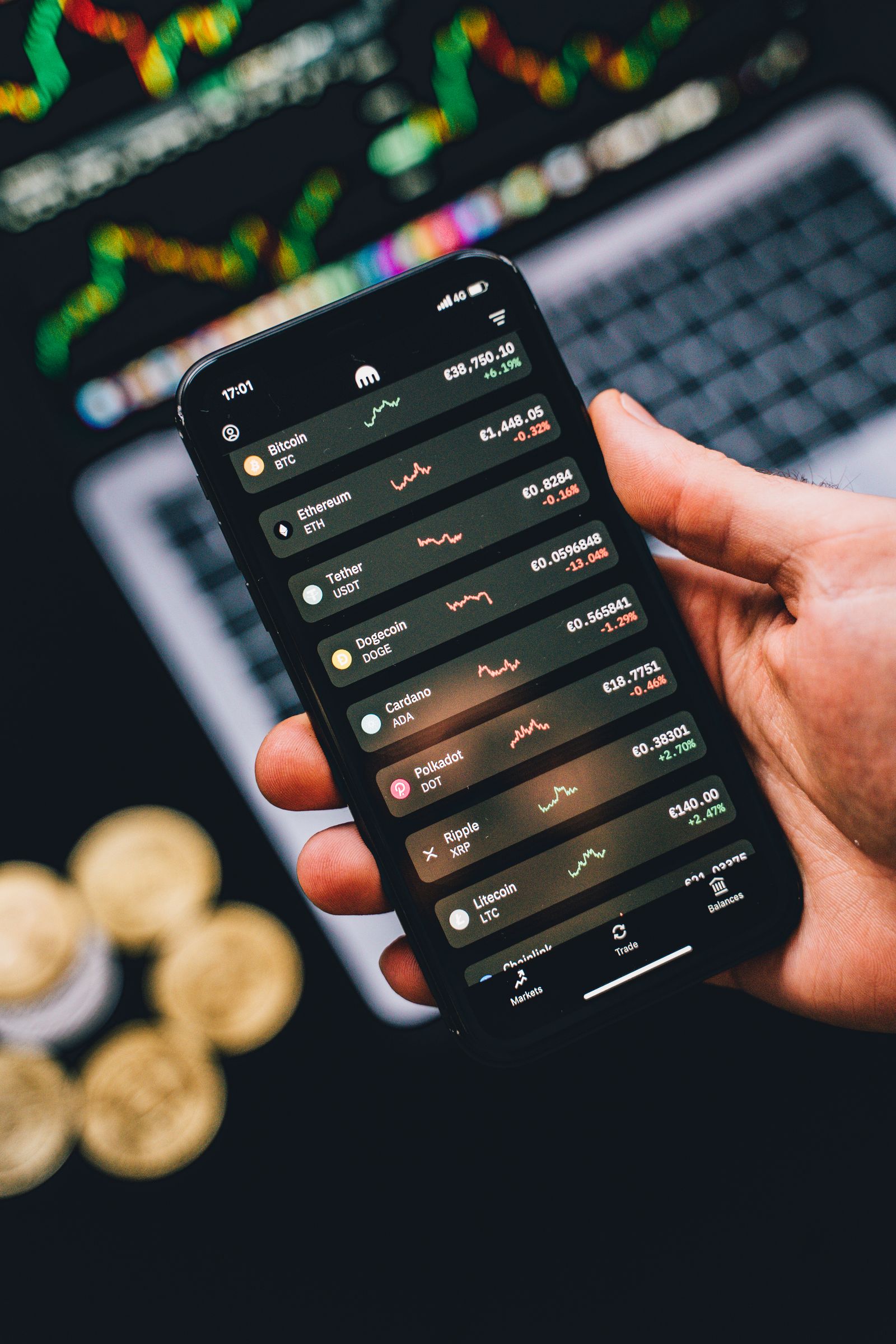
Buying your first bitcoin is less dramatic than it looks on social media. Behind the trading-floor aesthetics, it is closer to opening a savings account: pick a reputable company, verify yourself, transfer money in, and make the purchase. Here is the whole process, step by step, with the mistakes beginners usually make flagged along the way.
Step 1: Choose a regulated exchange
An exchange is a shop that sells bitcoin for regular money. Pick one that is licensed in your country, has operated for several years, and supports bank transfers. Compare fees (usually between 0.1% and 2%), the minimum purchase (many allow $10 or less), and how easy withdrawals are. Avoid apps that advertise big bonuses but hide withdrawal fees — the fine print is where they live.
Step 2: Verify your identity
Legitimate exchanges must verify who you are — a photo ID and a selfie, sometimes a proof of address. It takes minutes to a day. This is normal and actually a good sign; services promising “no ID” are where beginners get burned.
Step 3: Fund your account
Link your bank and make a deposit. A bank transfer is typically the cheapest way in; card purchases are instant but charge more. Start with an amount you would be completely fine losing — the point of a first purchase is learning the mechanics, not making money.
Step 4: Make the purchase
Most platforms offer a simple “buy” screen: enter an amount in your currency, preview the fee, confirm. That is genuinely all a first purchase requires. Two order types exist — a market order buys instantly at the current price, a limit order waits for a price you set. Beginners should keep it simple and use market orders for small amounts.

Step 5: Decide where it lives
Bitcoin bought on an exchange sits in the exchange’s wallet, the way money in a payment app is really the company’s promise to pay you. For small amounts this is fine to start. Meaningful savings belong in a wallet you control — the next article in this series covers hot wallets versus cold storage in detail.
Mistakes beginners should skip
- Buying the top out of FOMO. The price swings a lot; small regular purchases beat one panicked lump.
- Sharing seed words. No support agent will ever ask for your recovery phrase. Anyone who does is a thief.
- Chasing bonuses across five apps. One good, boring, regulated exchange beats five shiny ones.
- Forgetting taxes. Selling crypto is a taxable event in most countries; keep a simple record from day one.
That is the whole journey: exchange, verify, deposit, buy, and think about storage. Once the first purchase settles, most of the mystery disappears — and the rest of this site exists to handle what comes next.
Read next: Hot Wallets vs. Cold Storage: How to Actually Keep Your Bitcoin Safe