
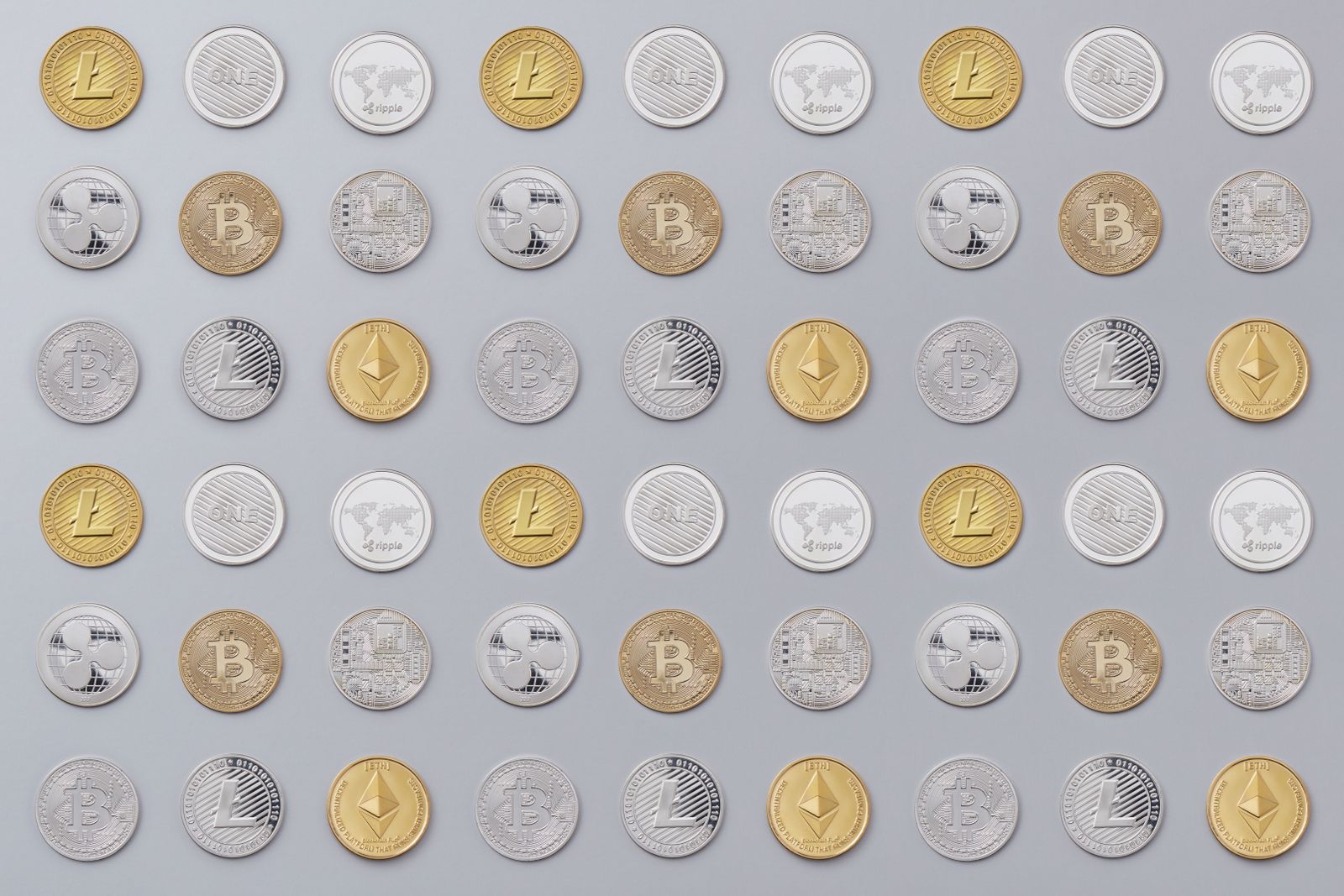
Ask ten people what Bitcoin is and you will get ten answers: digital gold, a scam, the future of money, a geek experiment. Strip away the noise and Bitcoin is easier to understand than most people assume. This guide explains it the way a patient friend would — no jargon walls, no price hype.
Money without a middleman
When you pay with a card or a bank transfer, a company sits in the middle of the transaction, keeping the ledger and deciding what is allowed. Bitcoin removes that middleman. It is a system where anyone can hold and send money directly to anyone else, and where the ledger itself is maintained jointly by thousands of computers around the world instead of by one company.
That is the genuinely new idea. Digital files are easy to copy — send a photo twice and both copies are real. Money cannot work that way; spending the same coin twice would destroy it. Solving this “double-spend problem” without a central referee was the breakthrough Bitcoin published in 2008 under the name of its mysterious creator, Satoshi Nakamoto.
The blockchain: a shared public ledger
Bitcoin’s ledger is called the blockchain. Picture a notebook that is copied to tens of thousands of computers. Every ten minutes or so, a new page is added recording recent transactions, and each page is cryptographically sealed to the previous one. To fake history, an attacker would have to rewrite every copy on most of the network at once — practically impossible.
Anyone can download the ledger and check every transaction ever made. You do not need permission to verify the system, and no administrator can quietly edit your balance.

Mining: paying for honesty
Who does all this bookkeeping? Specialized computers called miners compete to bundle transactions into the next page by solving a laborious guessing game. The winner appends the page and earns newly created bitcoin plus transaction fees. Because honest mining pays better than cheating, the network’s security is funded from the inside.
Every four years or so, the reward halves. By design, no more than 21 million bitcoin will ever exist — the last fraction around the year 2140. Scarcity is written into the rules, which is why supporters call it digital gold.
What Bitcoin is not
It is not anonymous: transactions are public and pseudonymous, not untraceable. It is not a get-rich scheme: the price swings hard in both directions, and nobody can promise otherwise. And it is not the only cryptocurrency — thousands exist, though Bitcoin is the oldest, largest, and most battle-tested.
Why people care
For some, Bitcoin is a hedge against inflation and monetary policy they do not control. For others it is a savings technology — money that cannot be printed, frozen by a payment processor, or debased. And for many it is simply an elegant piece of engineering worth understanding on its own terms.
Wherever you land, learning the basics is worth an evening. Next, read how to buy your first bitcoin safely, then look into how wallets and storage actually work — that is where beginners genuinely need care.
Read next: How to Buy Your First Bitcoin Safely: A Step-by-Step Beginner’s Guide
Pingback: Hot Wallets vs. Cold Storage: How to Actually Keep Your Bitcoin Safe – Join The BTC